
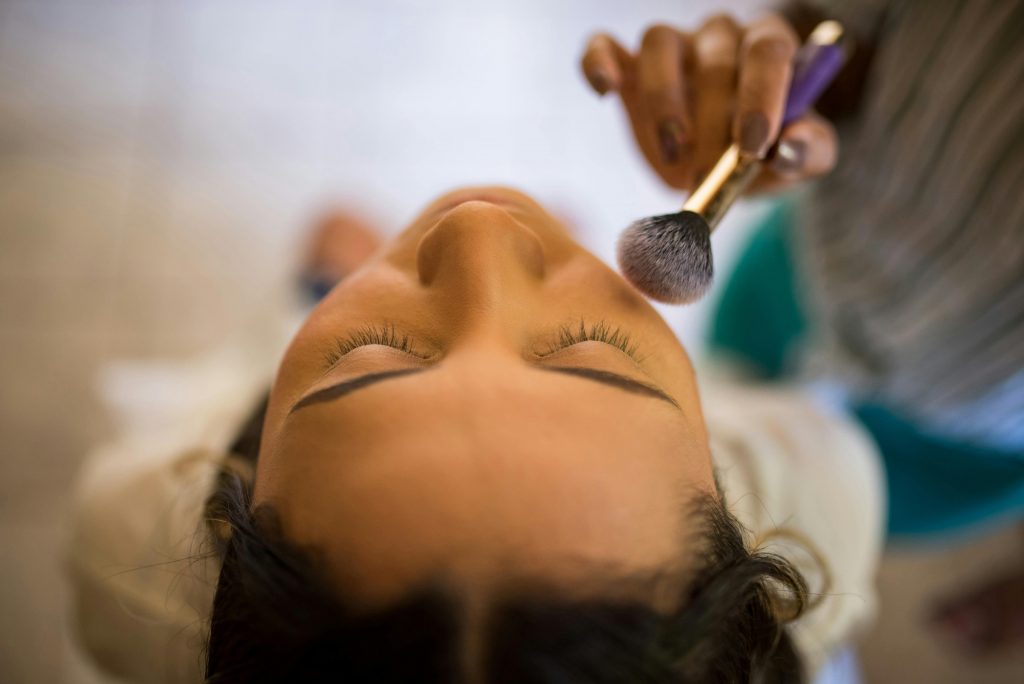
Makeup is a daily habit for many people. It helps enhance your features, boost confidence, and create a polished look. But you may have wondered—does makeup age your skin?
The answer isn’t as simple as yes or no. Makeup itself doesn’t directly cause aging, but certain habits and products can affect your skin over time.
In this guide, we’ll explore how makeup can impact your skin, what causes premature aging, and how to protect your skin while still enjoying makeup.
Does Makeup Really Age Your Skin?
Makeup does not automatically age your skin. Many modern products are designed to be safe and even include beneficial ingredients.
However, problems can happen when:
- Makeup is not removed properly
- Low-quality or harsh products are used
- Skin is not properly cared for
- Products are used incorrectly or too often
In these cases, makeup can contribute to dryness, irritation, and other issues that may make your skin look older over time.
What Causes Premature Skin Aging?
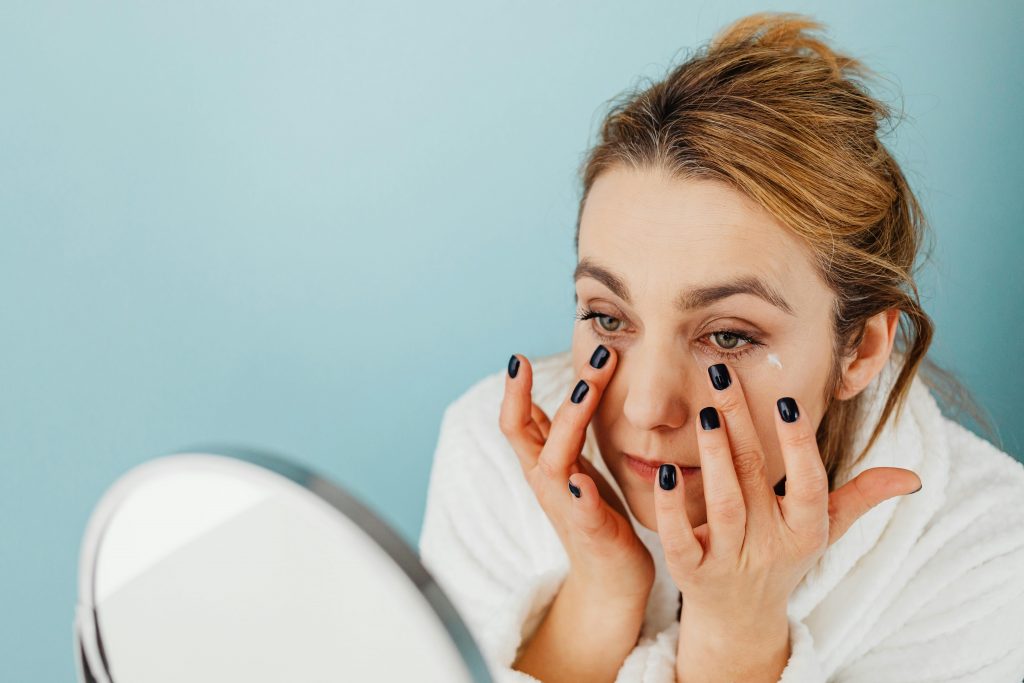
Before blaming makeup, it’s important to understand what actually causes skin aging.
Common causes:
- Sun exposure (UV damage)
- Dehydration
- Poor skincare habits
- Smoking and lifestyle factors
- Lack of sleep
- Environmental pollution
Makeup alone is not a main cause, but it can worsen these factors if not used properly.
How Makeup Can Affect Your Skin Over Time
While makeup isn’t harmful on its own, certain habits can impact your skin.
1. Clogged Pores
Heavy or long-wear makeup can settle into pores. If not removed properly, this buildup can lead to clogged pores and breakouts.
Over time, this may affect your skin’s texture.
2. Dryness and Dehydration
Some makeup products can dry out your skin, especially powders or matte formulas.
Dry skin can make fine lines and wrinkles more noticeable.
3. Skin Irritation
Using products that don’t suit your skin can cause irritation.
Signs include:
- Redness
- Itching
- Sensitivity
Chronic irritation can weaken your skin barrier, which may contribute to aging.
4. Pulling and Tugging on Skin
Applying or removing makeup roughly—especially around the eyes—can stress delicate skin.
Over time, this can lead to:
- Fine lines
- Loss of elasticity
Being gentle is important.
5. Sleeping With Makeup On
This is one of the biggest mistakes.
Sleeping with makeup can:
- Trap dirt and oil
- Prevent skin from renewing overnight
- Lead to dull and tired-looking skin
This habit can speed up signs of aging.
How to Avoid Premature Aging From Makeup
You don’t have to stop wearing makeup to protect your skin. You just need to use it wisely and build healthy habits around it. Small daily choices—like how you apply, remove, and care for your skin—can make a big difference over time.
When you treat your skin gently and support it with proper care, you can enjoy makeup without worrying about early signs of aging.
1. Always Remove Makeup Properly
Clean skin is essential for healthy aging. Leaving makeup on overnight can clog pores, trap dirt, and prevent your skin from repairing itself while you sleep.
Tips:
- Use a gentle makeup remover to break down products
- Follow with a cleanser to fully clean your skin
- Avoid harsh rubbing—be gentle, especially around the eyes
- Never sleep with makeup on
Double cleansing (using a remover first, then a cleanser) can be especially helpful if you wear heavy or long-lasting makeup.
2. Moisturize Daily
Hydrated skin looks smoother, softer, and more youthful. When your skin is dry, fine lines and wrinkles become more noticeable.
Use a moisturizer that suits your skin type to maintain balance. For example:
- Lightweight gels for oily skin
- Cream-based moisturizers for dry skin
Applying moisturizer both morning and night helps keep your skin barrier strong and healthy.
3. Use Sunscreen Every Day
Sun damage is one of the main causes of premature aging, including wrinkles, dark spots, and loss of elasticity.
Even if your makeup contains SPF, it’s best to use a separate sunscreen underneath to ensure full protection.
Tips:
- Use at least SPF 30 daily
- Reapply if you’re outdoors for long periods
- Don’t forget areas like your neck and around your eyes
Protecting your skin from the sun is one of the most important steps in preventing aging.
4. Choose the Right Products
Using the wrong makeup products can stress your skin and lead to irritation or breakouts, which may affect how your skin ages over time.
Look for:
- Non-comedogenic formulas that won’t clog pores
- Lightweight textures that feel comfortable on the skin
- Products suited to your specific skin type
- Ingredients that support hydration or skin health
Investing in quality products can make a noticeable difference in how your skin looks and feels.
5. Be Gentle With Your Skin
Your skin—especially around the eyes—is delicate. Pulling, tugging, or rubbing can damage it over time and contribute to fine lines.
Tips:
- Apply makeup with soft, gentle motions
- Use clean brushes or sponges instead of your fingers when possible
- Remove makeup slowly and carefully
Being gentle helps protect your skin’s elasticity and keeps it looking smoother for longer.
6. Keep Your Tools Clean
Dirty makeup tools can collect bacteria, oil, and old product buildup. When you use them on your face, they can cause breakouts and irritation.
Tips:
- Wash brushes at least once a week
- Clean sponges more frequently, especially if used daily
- Let tools dry completely before using them again
Clean tools help keep your skin clear and reduce the risk of long-term damage.
7. Give Your Skin Breaks
Going makeup-free sometimes allows your skin to rest and recover. This can help restore balance and reduce stress on your skin.
Ideas:
- Skip makeup on weekends or days at home
- Use lighter products instead of full coverage
- Focus on skincare during your break days
Even one or two days a week without makeup can help your skin breathe and maintain a healthier appearance over time.
Skincare Habits That Support Healthy Aging
Makeup is only part of the picture. Your skincare routine plays a much bigger role in how your skin ages over time. Even the best makeup can’t replace healthy daily habits. When you take care of your skin from the inside and outside, it stays stronger, smoother, and more resilient.
Building a simple and consistent routine is more effective than using too many products. Focus on the basics and stick with them every day.
Essential habits:
- Cleanse daily: Wash your face morning and night to remove dirt, oil, and leftover makeup
- Moisturize regularly: Keep your skin hydrated to maintain elasticity and reduce the appearance of fine lines
- Use sunscreen: Protect your skin from harmful UV rays, one of the main causes of premature aging
- Stay hydrated: Drinking enough water helps keep your skin looking fresh and healthy
- Eat a balanced diet: Foods rich in vitamins, antioxidants, and healthy fats support skin repair and overall health
You can also add extra steps like gentle exfoliation or targeted treatments, but the basics should always come first.
These habits help keep your skin healthy and youthful, making it easier to maintain a natural glow—whether you wear makeup or not.
Signs Your Makeup Routine Is Affecting Your Skin
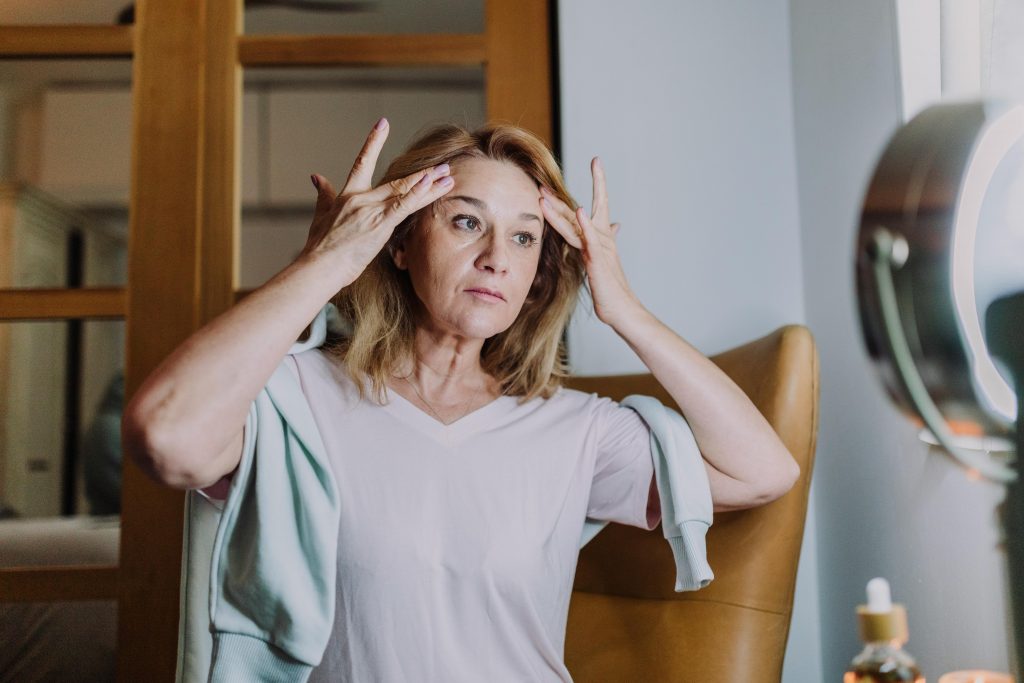
Pay attention to changes in your skin, especially if you wear makeup often. Your skin can show early signs when something in your routine isn’t working well. If you’ve ever wondered is makeup bad for your skin, the answer often depends on how your skin reacts to your current habits and products.
When makeup is not suited to your skin type or not removed properly, it can lead to noticeable issues over time. Recognizing these signs early can help you prevent more serious skin concerns.
Warning signs:
- Increased dryness or flaking, especially after wearing makeup
- Frequent breakouts or clogged pores
- Dull or uneven skin tone that doesn’t improve
- Irritation or redness after applying products
- A tight or uncomfortable feeling on your skin
- Increased sensitivity to products you normally use
These signs may mean that your products are too harsh, too heavy, or not compatible with your skin type. It could also mean that your skincare routine needs improvement.
If you notice these, adjust your routine or products. Try switching to gentler formulas, reducing how much makeup you use, and focusing more on skincare. Listening to your skin is one of the best ways to keep it healthy and prevent long-term damage.
Can Makeup Make You Look Older?
Sometimes, makeup can make you appear older, even if it’s not damaging your skin.
Reasons include:
- Heavy foundation settling into fine lines
- Too much powder creating a dry look
- Using the wrong shades or textures
Tips:
- Use lighter layers
- Choose hydrating formulas
- Blend well for a natural finish
The right techniques can help you look fresh and youthful.
Final Thoughts
So, does makeup age your skin? Not on its own. The real issue is how you use it and how well you care for your skin.
Poor habits—like not removing makeup or using harsh products—can lead to dryness, irritation, and other issues that may make your skin look older over time.
The good news is that you don’t have to give up makeup. By using the right products, following a healthy skincare routine, and being gentle with your skin, you can enjoy makeup without worrying about premature aging.
Healthy skin is all about balance. With the right approach, you can look great and keep your skin looking youthful for years to come.
