
All-in-One Property Solutions: Structural, Mechanical, Landscaping, and Renovation Services
Introduction
Managing a property—whether residential or commercial—requires far more than occasional repairs. True long-term value comes from a coordinated approach that addresses structural integrity, mechanical performance, exterior maintenance, and interior upgrades in a unified plan. When systems are treated as interconnected rather than isolated components, property owners can reduce costs, prevent emergencies, and improve overall functionality.
This guide explores how to approach property improvement strategically. From structural reinforcement and roofing upgrades to HVAC care, landscaping improvements, and interior renovations, each section provides actionable guidance to help you protect and enhance your investment. By understanding how each service category supports the others, you can build a property that performs efficiently, safely, and reliably for years to come.
A comprehensive strategy also improves budgeting accuracy. Instead of reacting to surprise breakdowns, you can forecast expenses, prioritize upgrades based on risk, and schedule work during optimal seasons. This reduces disruption to occupants, tenants, or business operations. Proactive planning also strengthens resale value, as documented maintenance and coordinated improvements signal responsible ownership.
Ultimately, successful property management is about long-term performance. When you take time to assess conditions thoroughly and implement improvements in the right order, you create a safer environment, reduce lifecycle costs, and extend the usable life of every major system within the building.
Start with a Full Property Assessment Before Planning Any Upgrades
Before investing in improvements, conduct a comprehensive evaluation of your property’s structural health. Many visible issues—cracked drywall, sticking doors, uneven flooring—can signal deeper concerns beneath the surface.
One of the most critical areas to examine is the foundation. Minor settlement is common over time, but significant structural movement requires professional evaluation. Foundation repairs become necessary when cracks widen, walls bow, or moisture infiltrates basement or crawlspace areas.
Warning Signs That Require Immediate Attention
-
Stair-step cracks in masonry
-
Horizontal cracks along basement walls
-
Doors or windows that no longer close properly
-
Gaps between walls and ceilings
-
Persistent water intrusion
Ignoring early indicators can lead to escalating repair costs. Foundation movement can compromise plumbing lines, misalign structural framing, and reduce overall stability. Over time, small shifts can place stress on roofing systems, interior finishes, and exterior cladding resulting in the need for foundation repairs.
How to Conduct an Initial Inspection
-
Walk the perimeter and inspect exterior walls
-
Check for pooling water near the base of the structure
-
Examine interior floors for unevenness
-
Inspect crawlspaces for moisture or mold
-
Document any changes over time with photographs
You should also review grading and drainage patterns. Improper slope around the property often contributes to soil erosion and water accumulation, accelerating settlement issues. Check downspouts to ensure they discharge water several feet away from the structure.
If structural concerns are identified, consult a qualified professional before moving forward with cosmetic upgrades. Addressing foundational issues first ensures that subsequent renovations are built on stable ground. Skipping this step can result in cracked tile, misaligned cabinetry, and recurring drywall damage after remodeling is complete.
Strengthen Structural Framework for Long-Term Durability
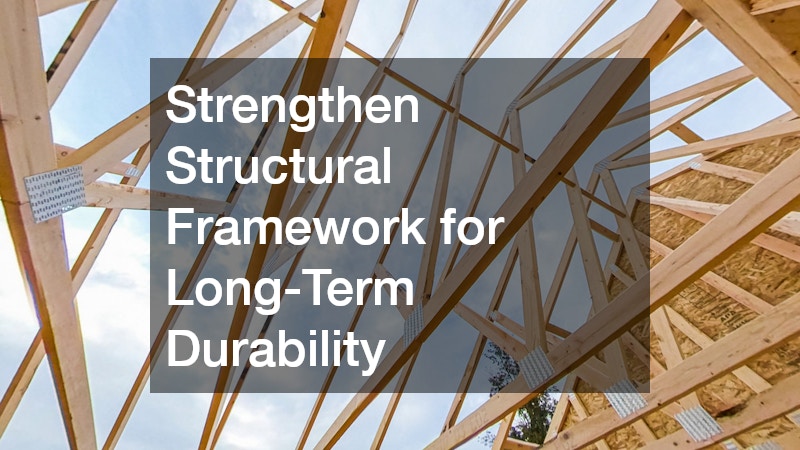
When properties require reinforcement—whether due to age, expansion, or code upgrades—steel solutions often provide the most durable support. Partnering with a structural steel manufacturer ensures components meet engineering specifications and safety standards.
Steel beams, columns, and framing elements are commonly used to:
-
Reinforce load-bearing walls
-
Support large open floor plans
-
Strengthen mezzanines or commercial spaces
-
Stabilize additions and expansions
For customized needs, metal fabrication services allow for tailored solutions that fit specific structural challenges. Fabricated brackets, supports, and reinforcements can be designed for unique layouts or retrofit applications.
Key Considerations Before Structural Reinforcement
-
Obtain load calculations from a licensed engineer
-
Verify material certifications
-
Confirm corrosion protection treatments
-
Ensure compliance with local building codes
It is equally important to evaluate how reinforcements will integrate with existing materials. Connections between steel and wood framing, masonry, or concrete must be properly detailed to prevent movement or moisture intrusion. In coastal or humid environments, protective coatings or galvanization help prevent long-term corrosion.
Benefits of Steel Reinforcement
-
High strength-to-weight ratio
-
Resistance to pests and moisture
-
Longevity with minimal maintenance
-
Improved fire resistance compared to wood framing
In commercial properties, steel framing also supports future adaptability. Open layouts made possible by steel beams allow easier reconfiguration of interior spaces as business needs evolve. Proper installation is critical. Reinforcements should be integrated before closing walls or applying finishes to avoid unnecessary demolition later.
Upgrade Roofing Systems to Improve Protection and Efficiency
The roof protects every other component of your property. Aging materials, damaged flashing, and inadequate ventilation can all compromise performance.
Hiring an experienced metal roofing contractor can provide long-lasting solutions that outperform traditional asphalt systems in durability and energy efficiency. Metal roofing reflects solar heat, reduces cooling loads, and often lasts significantly longer than conventional materials.
Signs Your Roof Needs Attention
-
Missing or damaged panels
-
Rust or corrosion
-
Water stains on ceilings
-
Sagging rooflines
-
Increased energy bills
In addition to visual inspection, monitor attic conditions. Excessive heat buildup or moisture accumulation may indicate ventilation issues that shorten roof lifespan and increase utility costs.
Best Practices for Roof Longevity
-
Inspect annually and after major storms
-
Clean gutters and drainage channels
-
Check flashing around vents and chimneys
-
Maintain proper attic ventilation
Metal roofing systems also offer:
-
Fire resistance
-
Wind durability
-
Low maintenance requirements
-
Recyclable materials for sustainability
When upgrading, consider underlayment quality and insulation improvements at the same time. Enhancing thermal barriers during roof replacement maximizes energy savings and reduces condensation risks. Proper installation and periodic inspection ensure the roof continues protecting both structural and interior systems for decades.
Maintain Mechanical Systems to Reduce Energy Costs and Breakdowns

Mechanical systems are central to comfort and operational efficiency. Without routine service, even high-quality equipment can fail prematurely.
Regular heat pumps maintenance ensures optimal performance during both heating and cooling seasons. Heat pumps work year-round, making preventative care essential for longevity.
Seasonal Maintenance Checklist
-
Clean or replace air filters
-
Inspect refrigerant lines
-
Check thermostat calibration
-
Clear debris from outdoor units
-
Test system startup and shutdown cycles
Ignoring maintenance can lead to costly breakdowns that require emergency ac repair service. Warning signs include:
-
Warm air blowing during cooling cycles
-
Unusual noises or vibrations
-
Short cycling
-
Weak airflow
-
Rising utility bills
Benefits of Preventative Care
-
Improved energy efficiency
-
Extended equipment lifespan
-
Reduced emergency repair costs
-
Better indoor air quality
Commercial properties may benefit from maintenance contracts to ensure regular inspections and priority response.
Improve Outdoor Safety and Property Appearance
Exterior improvements enhance both structural protection and visual appeal. A professional landscaping service does more than beautify; it helps control erosion, manage drainage, and protect foundations.
Landscaping Strategies That Protect Structures
-
Grade soil away from foundations
-
Install proper drainage systems
-
Use erosion-resistant ground cover
-
Maintain clear pathways around buildings
Trees also require careful monitoring. Overgrown or diseased trees can damage roofs, utilities, and structural elements. In hazardous situations, tree removal services may be necessary to prevent injury or property damage.
Signs a Tree Should Be Evaluated
-
Leaning trunk
-
Dead branches
-
Cracked bark
-
Fungal growth near roots
-
Proximity to power lines
Routine Exterior Maintenance Tasks
-
Trim branches away from roofing
-
Remove debris from drainage areas
-
Monitor root systems near foundations
-
Inspect retaining walls for movement
Thoughtful landscaping reduces water intrusion risks and enhances long-term property stability.
Plan Renovations That Increase Functionality and Value
Interior renovations offer opportunities to improve both usability and resale value. Among the most impactful upgrades are kitchen renovations, which enhance daily functionality and appeal.
Working with experienced kitchen remodelers ensures proper coordination of plumbing, electrical, and structural adjustments.
Planning Steps for Successful Renovations
-
Define project goals clearly
-
Establish a realistic budget
-
Create a detailed timeline
-
Obtain necessary permits
-
Select durable materials
High-Impact Kitchen Improvements
-
Upgraded cabinetry
-
Energy-efficient appliances
-
Improved lighting design
-
Durable countertops
-
Enhanced storage solutions
Avoid common renovation mistakes:
-
Skipping inspections
-
Underestimating material lead times
-
Ignoring ventilation requirements
-
Closing walls before plumbing verification
Budget a contingency fund of 10–15% to address hidden issues discovered during demolition.
Manage Debris and Maintain Clean, Safe Worksites
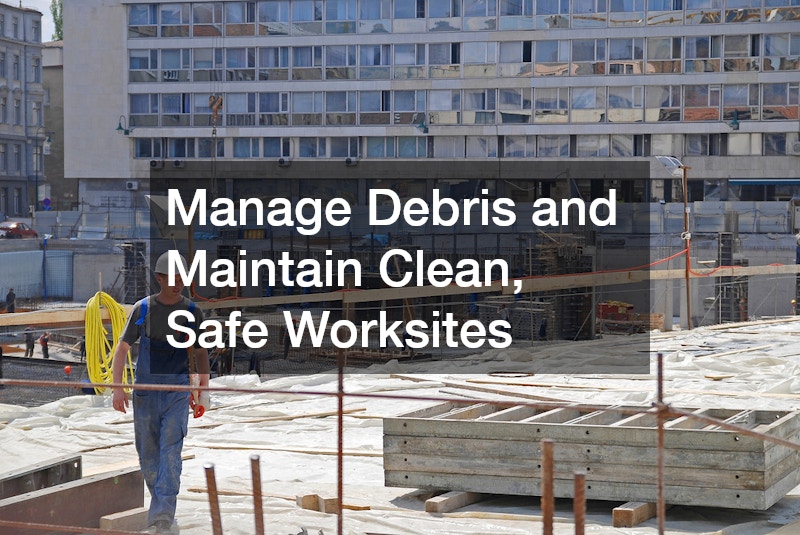
Construction and renovation projects generate significant waste. Proper debris management improves safety and efficiency. Scrap materials, packaging, old fixtures, drywall fragments, and roofing tear-offs can quickly accumulate and create hazardous working conditions if not handled systematically.
Scheduling a dumpster rental before demolition begins ensures organized disposal. Selecting the correct container size prevents overflow and delays. Planning ahead also eliminates downtime caused by overflowing debris piles that must be cleared before work can continue.
Choosing the Right Size
Small projects: 10-yard container
Mid-sized remodels: 20-yard container
Major renovations: 30–40-yard container
When estimating size, consider not only the square footage of the project but also the type of materials being removed. Heavy materials like concrete, tile, or roofing shingles may reach weight limits before filling the container’s volume. Confirm weight restrictions with your provider to avoid additional fees.
Safe Placement Guidelines
Avoid blocking access points
Protect driveways with boards
Maintain clear pedestrian pathways
Confirm local permit requirements
In addition, consider proximity to the work zone. Placing the container too far from demolition areas increases labor time and fatigue. However, positioning it too close may interfere with equipment movement or emergency access.
Other placement considerations include:
-
Avoiding soft ground that may shift under weight
-
Ensuring adequate clearance for delivery trucks
-
Protecting landscaping and irrigation lines
-
Checking overhead clearance for power lines or tree branches
Benefits of Organized Debris Management
Reduced trip hazards
Improved workflow
Compliance with local regulations
Easier recycling of materials
Separating recyclable materials such as metal, wood, and cardboard can reduce disposal costs and improve environmental responsibility. Many municipalities also require specific waste-handling procedures for hazardous materials like paint, solvents, or treated lumber.
Prompt pickup and proper waste sorting streamline project timelines. Clean jobsites also improve contractor morale and reduce the likelihood of accidents, insurance claims, or code violations. A well-managed site reflects professionalism and helps projects move efficiently from demolition to completion.
Coordinate Multi-System Projects for Maximum Efficiency
Treat property systems as interconnected rather than isolated. Coordinating structural, roofing, mechanical, and landscaping upgrades reduces duplication of labor and minimizes disruption. When projects are sequenced strategically, you avoid reopening walls, tearing up finished surfaces, or disturbing newly installed components.
Smart Coordination Examples
Upgrade insulation during roofing replacement
Align foundation stabilization with drainage improvements
Schedule HVAC upgrades alongside window replacements
Combine landscaping improvements with exterior repairs
By bundling improvements, you can often negotiate better pricing with contractors and reduce mobilization costs. Crews are already on-site, which minimizes setup time and logistical complexity.
For example, if you are reinforcing structural framing, it may be the ideal time to:
-
Upgrade outdated wiring
-
Add additional insulation
-
Install new plumbing lines
-
Improve fire blocking
Develop a Long-Term Capital Plan
Track system installation dates
Forecast major replacements over 5–10 years
Maintain inspection records
Review warranties annually
A capital improvement plan helps you anticipate large expenditures instead of reacting to sudden failures. Knowing the expected lifespan of roofing, mechanical equipment, flooring, and exterior finishes allows you to allocate funds proactively.
Additional planning strategies include:
-
Prioritizing high-risk systems first
-
Phasing improvements to match budget cycles
-
Reviewing energy efficiency opportunities during upgrades
-
Maintaining a reserve fund for unexpected conditions
Bundling improvements often reduces labor costs and avoids reopening finished areas later. Coordinated planning transforms property management into a strategic process rather than a series of emergency responses.
Build a Preventative Maintenance Calendar That Protects Your Investment
A structured maintenance plan transforms property management from reactive to proactive. Rather than waiting for failures, you schedule inspections and servicing based on seasonality and equipment life cycles.
Seasonal Checklist
Spring:
Inspect roof and drainage
Service cooling systems
Evaluate landscaping
Check exterior sealants and caulking
Summer:
Monitor irrigation systems
Check exterior paint and sealants
Inspect decks and patios
Clean and inspect outdoor mechanical units
Fall:
Clear gutters
Service heating systems
Trim trees near structures
Inspect insulation in attics and crawlspaces
Winter:
Monitor insulation performance
Inspect for ice dams
Check indoor humidity levels
Test emergency systems and backup power supplies
Regular seasonal attention prevents small issues from escalating. For example, clearing gutters in the fall reduces the likelihood of winter ice dams, which can damage roofing and interior finishes.
Documentation Best Practices
Maintain digital service records
Store contractor contact information
Photograph major upgrades
Track repair costs annually
In addition, consider:
-
Creating reminder alerts for recurring inspections
-
Keeping warranty documents in a centralized location
-
Logging equipment model numbers and serial numbers
-
Reviewing maintenance logs during annual budget planning
Regular reviews ensure small issues are addressed before escalating into major repairs. A well-maintained calendar also increases property value by demonstrating consistent care to potential buyers or investors.
Conclusion
Comprehensive property management requires thoughtful planning, preventative care, and coordinated execution. By addressing structural stability, mechanical efficiency, exterior safety, and interior functionality together, property owners can reduce unexpected expenses and improve long-term performance.
A proactive strategy not only preserves financial value but also enhances comfort, safety, and usability. Whether maintaining a family residence or managing a commercial building, disciplined oversight and informed decision-making form the foundation of lasting success.
With careful planning and consistent attention, you can transform property maintenance from a reactive burden into a strategic advantage that protects your investment for years to come.
