
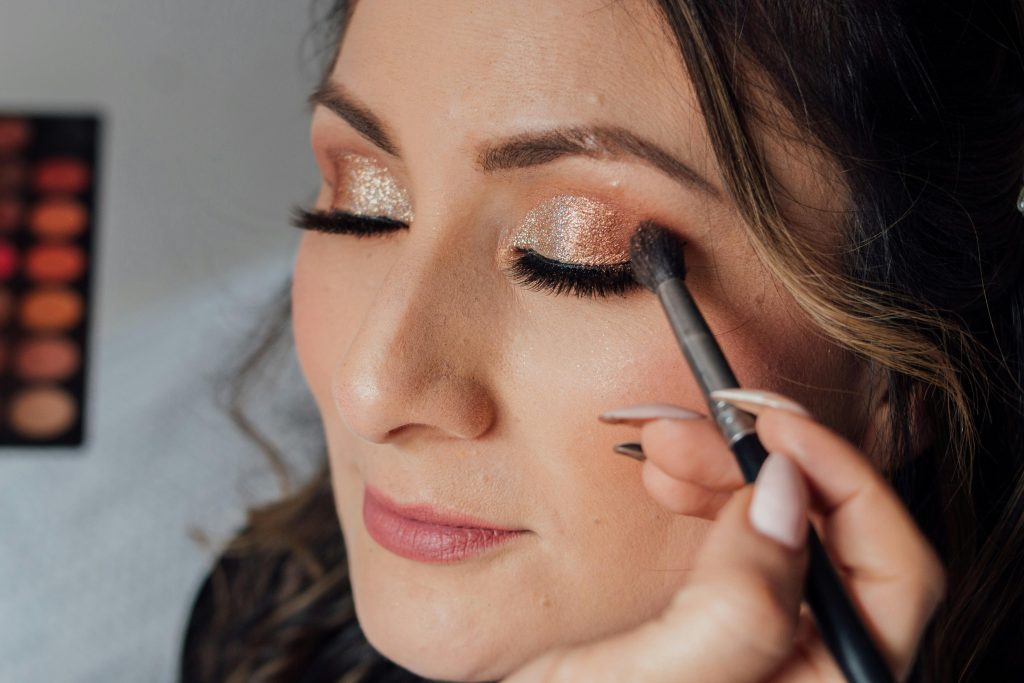
Makeup is a part of many people’s daily routine. It can boost confidence, enhance features, and help you feel put together. But you might wonder—is makeup bad for your skin, especially if you wear it every day?
The truth is, makeup itself is not necessarily harmful. However, how you use it—and how you care for your skin—can make a big difference.
In this article, we’ll explore what happens when you wear makeup daily, the possible effects on your skin, and how to keep your skin healthy.
Is Makeup Bad for Your Skin?
Makeup is not automatically bad for your skin. Many modern products are designed to be safe and even include skincare benefits.
However, problems can happen if:
- You use poor-quality products
- You don’t remove makeup properly
- You apply too much or too often
- Your skin type doesn’t match the product
In these cases, makeup can lead to clogged pores, irritation, or breakouts.
What Happens If You Wear Makeup Every Day?

Wearing makeup daily can affect your skin in different ways depending on your habits and skin type.
1. Pores Can Become Clogged
Foundation, concealer, and powders can settle into your pores. If not removed properly, this buildup can lead to clogged pores.
Over time, clogged pores may cause blackheads or acne.
2. Increased Risk of Breakouts
Daily makeup use, especially with heavy products, can increase the chances of breakouts.
This is more common if:
- You have oily or acne-prone skin
- You use products that block pores
- You don’t clean your skin thoroughly
3. Skin May Become Dry or Irritated
Some makeup products contain ingredients that can dry out your skin.
Frequent use can also:
- Disrupt your skin’s natural barrier
- Cause redness or sensitivity
- Lead to flaking or rough texture
4. Possible Allergic Reactions
Some people may react to certain ingredients in makeup.
Signs include:
- Itching
- Redness
- Swelling
- Burning sensation
If this happens, stop using the product and switch to something gentler.
5. Skin Can Still Stay Healthy
The good news is that wearing makeup every day doesn’t automatically damage your skin.
If you follow proper skincare habits, your skin can remain healthy and balanced.
Benefits of Wearing Makeup
Makeup isn’t all negative—it can also have several benefits when used properly. Beyond improving appearance, makeup can support confidence, creativity, and even provide some level of skin protection. For many people, it’s not just about looks—it’s a form of self-expression and part of their daily routine.
When chosen carefully, certain makeup products can also support your skin rather than harm it. Many modern formulas are designed to be lightweight and include ingredients that benefit your skin.
Benefits include:
- Boosts confidence and self-expression: Makeup allows you to highlight your favorite features and express your personal style
- Protects skin from environmental factors: Some products contain SPF or act as a barrier against dust and pollution
- Enhances natural features: Makeup can define your eyes, even out your complexion, and add color to your face
- Improves the appearance of uneven skin tone: Foundation and concealer can help create a smoother, more even look
- Supports skin with added ingredients: Some products include hydration, antioxidants, or sun protection
It’s important to remember that makeup works best when combined with good skincare habits. Using quality products and removing them properly can help you enjoy these benefits without damaging your skin.
When used correctly, makeup can be both a beauty tool and a confidence booster.
The Importance of Removing Makeup
One of the biggest mistakes people make is not removing makeup properly.
Sleeping with makeup on can:
- Clog pores
- Trap dirt and oil
- Increase breakouts
- Cause dull-looking skin
Tips:
- Remove makeup every night
- Use a gentle cleanser
- Double cleanse if needed
Proper removal is key to keeping your skin healthy.
Choosing the Right Makeup
Not all makeup is the same, and choosing the right products can make a big difference in how your skin looks and feels. The wrong products can clog pores, cause irritation, or lead to breakouts, while the right ones can enhance your appearance without harming your skin.
Understanding your skin type is the first step. Whether your skin is oily, dry, combination, or sensitive, selecting products that match your needs will help you avoid common issues.
What to look for:
- Non-comedogenic formulas: These are designed not to clog pores, which can help prevent breakouts
- Fragrance-free options: Ideal for sensitive skin, as added scents can sometimes cause irritation
- Lightweight formulas: These feel more comfortable on the skin and are less likely to build up in pores
- Products suited to your skin type: For example, oil-free products for oily skin or hydrating formulas for dry skin
- Dermatologist-tested labels: These can offer extra reassurance about product safety
It’s also helpful to test new products on a small area of your skin before using them regularly. This can help you avoid unwanted reactions.
Using the right makeup reduces the risk of skin problems and helps your skin stay balanced, clear, and comfortable throughout the day.
Keep Your Tools Clean
Dirty makeup brushes and sponges can hold bacteria.
This can lead to:
- Breakouts
- Skin irritation
- Infections
Tips:
- Clean brushes regularly
- Replace old sponges
- Avoid sharing makeup tools
Clean tools are just as important as clean skin.
Give Your Skin a Break
Even if you love makeup, it’s a good idea to give your skin some time to breathe.
Ideas:
- Go makeup-free on some days
- Use lighter products when possible
- Focus on skincare
This helps your skin recover and maintain balance.
Build a Healthy Skincare Routine
A good skincare routine can protect your skin from the effects of daily makeup. While makeup sits on the surface, skincare works underneath to keep your skin healthy, balanced, and strong. When your skin is well cared for, it not only looks better but also handles makeup more easily.
Consistency is key. Following a simple routine every day can prevent common problems like breakouts, dryness, and irritation.
Basic routine:
- Cleanser: Removes dirt, oil, and leftover makeup from your skin
- Moisturizer: Keeps your skin hydrated and supports its natural barrier
- Sunscreen: Protects your skin from harmful UV rays and prevents damage
You can also add:
- Exfoliation (1–2 times a week): Helps remove dead skin cells and keeps your skin smooth
- Serums for specific concerns: Target issues like acne, dryness, or uneven skin tone
It’s important to choose products that suit your skin type and avoid overloading your routine with too many steps. A simple, consistent routine is often more effective than a complicated one.
Healthy skin makes makeup look better and reduces problems, helping you achieve a smoother, more natural finish.
Signs Your Skin Is Not Reacting Well
Pay attention to how your skin responds to makeup.
Warning signs:
- Frequent breakouts
- Dry patches
- Redness or irritation
- Uneven texture
If you notice these, adjust your products or routine.
Tips for Wearing Makeup Safely Every Day
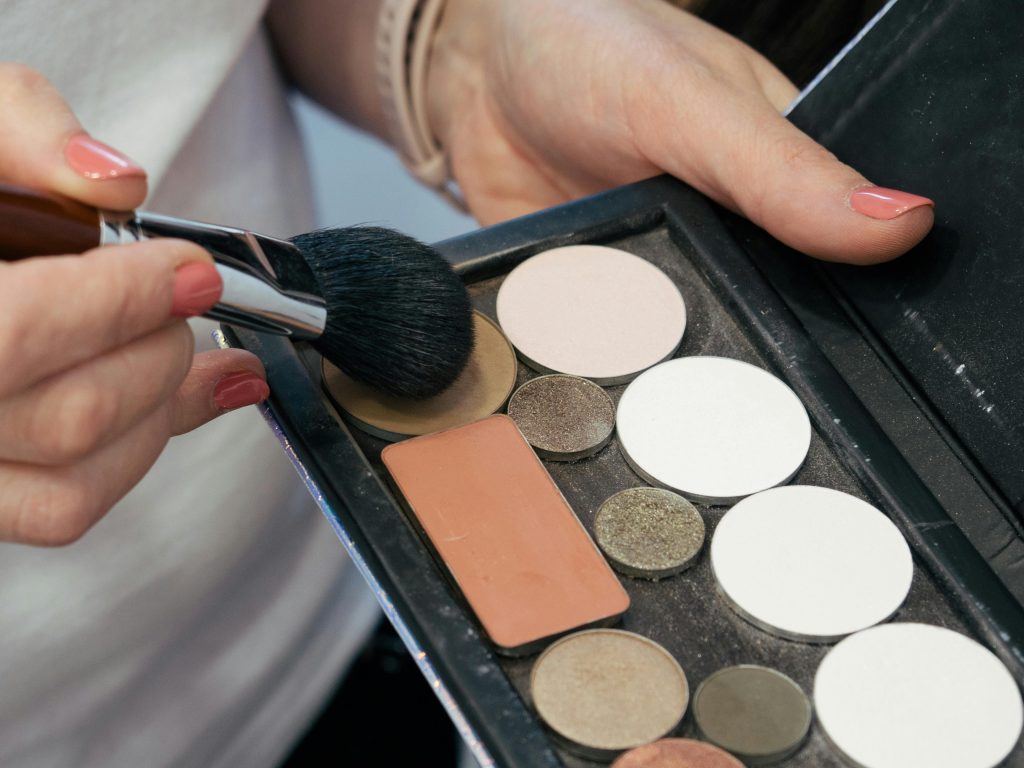
If you wear makeup daily, following a few simple habits can help protect your skin and keep it healthy. Makeup itself isn’t the problem—it’s how you use it and how well you care for your skin that really matters. Building good habits can reduce the risk of breakouts, irritation, and long-term skin issues.
Consistency is important. Taking a few extra minutes each day to care for your skin can make a big difference over time.
Tips to follow:
- Always remove makeup before bed: Leaving makeup on overnight can clog pores and lead to breakouts
- Use products suited to your skin type: This helps prevent irritation and keeps your skin balanced
- Avoid heavy layers when possible: Lighter applications allow your skin to breathe and reduce buildup
- Keep your tools clean: Wash brushes and sponges regularly to prevent bacteria from spreading
- Moisturize regularly: Hydrated skin is less likely to become irritated or dry
You can also give your skin occasional breaks from makeup to allow it to rest and recover. Even one or two makeup-free days a week can help maintain skin health.
These habits can help prevent damage and keep your skin looking clear, smooth, and healthy—even if you wear makeup every day.
When to See a Dermatologist
If you experience ongoing skin issues, it may be time to seek professional help.
Consider seeing a dermatologist if:
- Breakouts don’t improve
- Skin becomes very sensitive
- You have persistent irritation
A professional can help you find the right products and treatments.
Final Thoughts
So, is makeup bad for your skin? Not necessarily. The key is how you use it and how well you care for your skin.
Wearing makeup every day can lead to issues like clogged pores or irritation if you’re not careful. But with the right products and proper skincare, you can enjoy makeup without harming your skin.
Focus on good habits, listen to your skin, and keep your routine balanced. That way, you can look your best while keeping your skin healthy and glowing.
